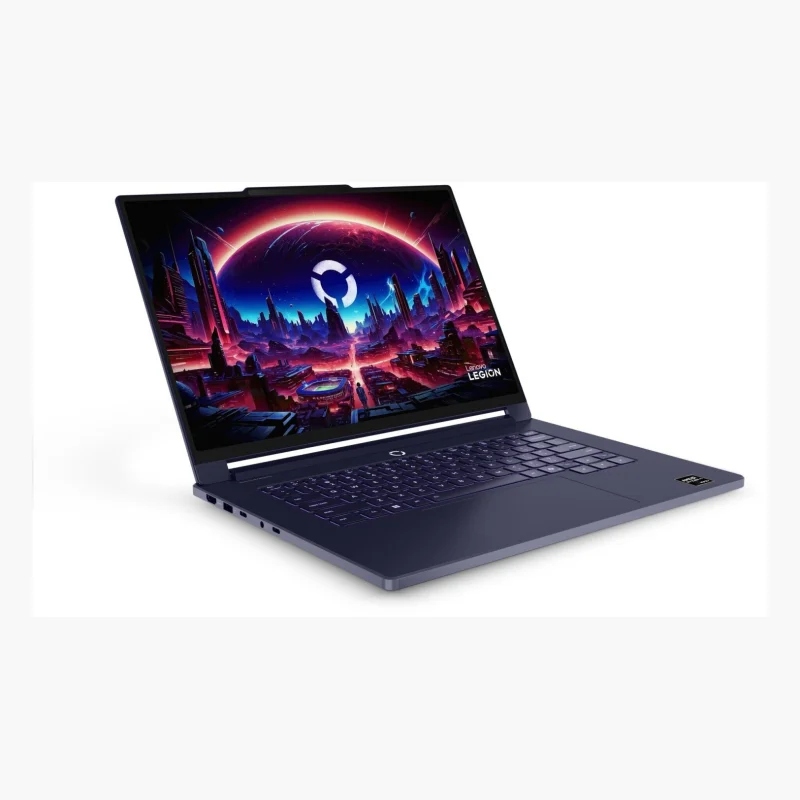
Asus ROG Zephyrus G16 OLED GU606 RTX 5070 (2026) vs Lenovo Legion 7a 15 G11 Radeon 8060S (2026)
What ROG Zephyrus G16 OLED GU606 RTX 5070 (2026) does better (7) and where Legion 7a 15 G11 Radeon 8060S (2026) wins (2) — every spec side by side.
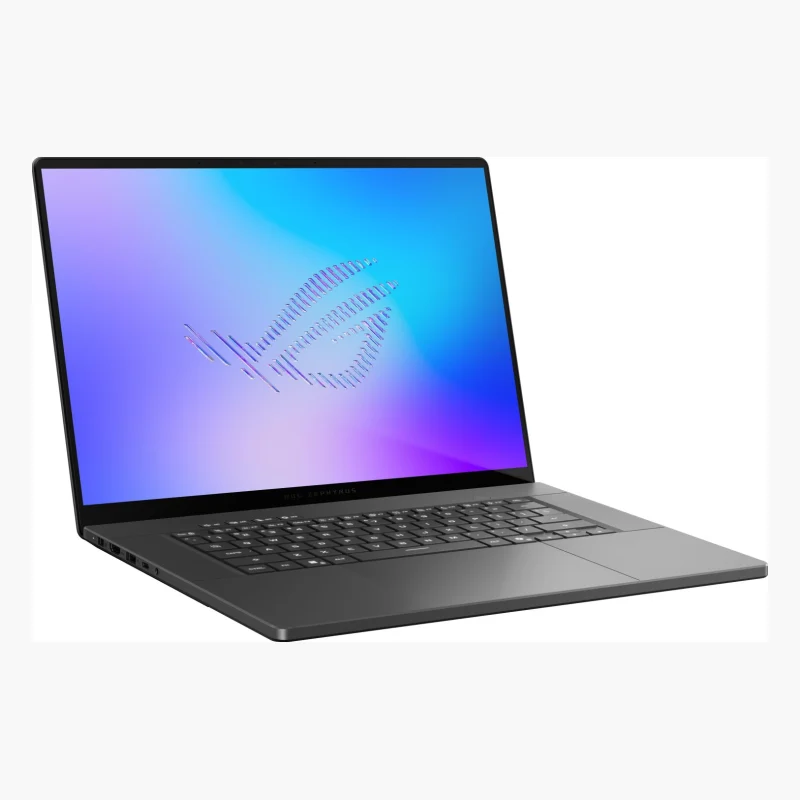
vs
9.7Display9.4
3.7Memory & storage6.7
9.6Battery & portability9.7
9.3Features & cooling8.8
Dimensions
Size comparison
ROG Zephyrus G16 OLED GU606 RTX 5070 (2026)Legion 7a 15 G11 Radeon 8060S (2026)
| ROG Zephyrus G16 OLED GU606 RTX 5070 (2026) | Legion 7a 15 G11 Radeon 8060S (2026) | Difference | |
|---|---|---|---|
| Depth | 246 mm | 244 mm | +2 mm |
| Width | 354 mm | 345 mm | +9 mm |
| Thickness | 16 mm | 16 mm | = |
| Weight | 1.8 kg | 1.6 kg | +0.3 kg |
Drawn to the same scale from the official dimensions (front and side).
Why is ROG Zephyrus G16 OLED GU606 RTX 5070 (2026) better than Legion 7a 15 G11 Radeon 8060S (2026)?
- Brightness1,100 nits vs 500 nits2.2×
- Refresh rate240 Hz vs 165 Hz+45%
- GPU shader cores4,608 vs 2,560+80%
- Battery capacity90 Wh vs 84 Wh+7%
- Webcam1,080p vs 720p+50%
- Bluetooth6 vs 5.4+11%
- Screen size16″ vs 15.3″+5%
Why is Legion 7a 15 G11 Radeon 8060S (2026) better than ROG Zephyrus G16 OLED GU606 RTX 5070 (2026)?
- RAM (up to)32 GB vs 64 GB2×
- Weight1.85 kg vs 1.55 kg+19%
Specifications
Side by side
| Graphics | ||
| Graphics card | GeForce RTX 5070 Laptop | Radeon 8060S |
| GPU maker | NVIDIA | AMD |
| GPU power (TGP) | 115 W | — |
| Video memory | 8 GB | — |
| Video memory type | GDDR7 | — |
| GPU shader cores | 4,608 | 2,560 |
| GPU compute (FP32) | 26.2 TFLOPS | — |
| 3DMark Steel Nomad Light | 14,532 | — |
| Processor | ||
| Processor | Core Ultra 9 386H | Ryzen AI Max+ 392 |
| CPU maker | Intel | AMD |
| CPU cores | 16 | — |
| CPU threads | 16 | — |
| Max CPU clock | 4.9 GHz | — |
| Processor options | Core Ultra 9 386H | Ryzen AI Max+ 388, Ryzen AI Max+ 392 |
| Geekbench 6 multi-core | 17,034 | — |
| Geekbench 6 single-core | 2,885 | — |
| Cinebench 2024 multi-core | 1,274 | — |
| Display | ||
| Screen size | 16″ | 15.3″ |
| Resolution | 2560 × 1600 | 2560 × 1600 |
| Resolution class | QHD (1440p/1600p) | QHD (1440p/1600p) |
| Refresh rate | 240 Hz | 165 Hz |
| Panel type | OLED | OLED |
| Brightness | 1,100 nits | 500 nits |
| sRGB coverage | 100% | — |
| Response time | 1 ms | — |
| DCI-P3 coverage | 100% | — |
| Pixel density | 189 ppi | — |
| Aspect ratio | 16:10 | 16:10 |
| G-Sync / FreeSync | Yes | — |
| Advanced Optimus | No | — |
| MUX switch | Yes | — |
| HDR | Yes | — |
| Touchscreen | No | — |
| Memory & storage | ||
| RAM (up to) | 32 GB | 64 GB |
| RAM (base) | 32 GB | 32 GB |
| RAM type | LPDDR5X | — |
| RAM speed | 8,533 MHz | — |
| Max. supported RAM | 32 GB | — |
| Upgradable RAM | No | — |
| SSD (up to) | 1,000 GB | 1,000 GB |
| SSD (base) | 1,000 GB | 1,000 GB |
| M.2 SSD slots | 2 | — |
| SSD interface | PCIe 4.0 x4 | — |
| Battery & power | ||
| Battery capacity | 90 Wh | 84 Wh |
| Power adapter | 250 W | 180 W |
| USB-C charging (Power Delivery) | Yes | Yes |
| Design & cooling | ||
| Weight | 1.85 kg | 1.55 kg |
| Thickness | 16 mm | 16 mm |
| Width | 354 mm | 345 mm |
| Depth | 246 mm | 244 mm |
| Body material | Aluminium | — |
| Colours | Grey | Black |
| Cooling fans | 3 | — |
| Vapor chamber cooling | Yes | — |
| Liquid metal (CPU) | No | — |
| Fan noise (max. load) | 54.8 dB | — |
| Ports & wireless | ||
| Thunderbolt / USB4 | Thunderbolt 4 | USB4 |
| Thunderbolt or USB4 | Yes | Yes |
| USB-C ports | 2 | — |
| USB-A ports | 2 | — |
| HDMI | HDMI 2.1 | HDMI 2.1 |
| HDMI 2.1 | Yes | Yes |
| (Mini) DisplayPort | No | — |
| Ethernet port | Yes | Yes |
| SD card reader | Yes | — |
| 3.5 mm audio jack | Yes | Yes |
| Wi-Fi standard | Wi-Fi 7 | Wi-Fi 7 |
| Bluetooth | 6 | 5.4 |
| Keyboard & camera | ||
| Keyboard backlight | Single-colour RGB | — |
| Backlit keyboard | Yes | — |
| Numeric keypad | No | — |
| Key travel | 1.7 mm | — |
| Webcam | 1,080p | 720p |
| IR camera (face login) | Yes | — |
| Fingerprint reader | No | — |
| Audio | ||
| Speakers | 4 speakers | 2 speakers |
| Dolby Atmos | Yes | — |
Related comparisons
 vs
 Asus ROG Zephyrus G16 OLED GU606 RTX 5070 (2026)vsAsus ROG Zephyrus G16 OLED GU606 RTX 5070 Ti (2026)9.39.4
 vsAsus ROG Zephyrus G14 GU405 RTX 5070 Ti (2026)vsAsus ROG Zephyrus G16 OLED GU606 RTX 5070 (2026)8.79.3
 vsAsus ROG Zephyrus G14 GU405 RTX 5070 (2026)vsAsus ROG Zephyrus G16 OLED GU606 RTX 5070 (2026)8.69.3vs
 Asus ROG Zephyrus G16 OLED GU606 RTX 5070 (2026)vsMSI Stealth 16 AI+ RTX 5070 (2026)9.39.3vs
 Asus ROG Zephyrus G16 OLED GU606 RTX 5070 (2026)vsRazer Blade 16 RTX 5060 (2026)9.39.2vs
 Asus ROG Zephyrus G16 OLED GU606 RTX 5070 (2026)vsLenovo Legion 7a Gen 11 RTX 5070 (2026)9.39.3