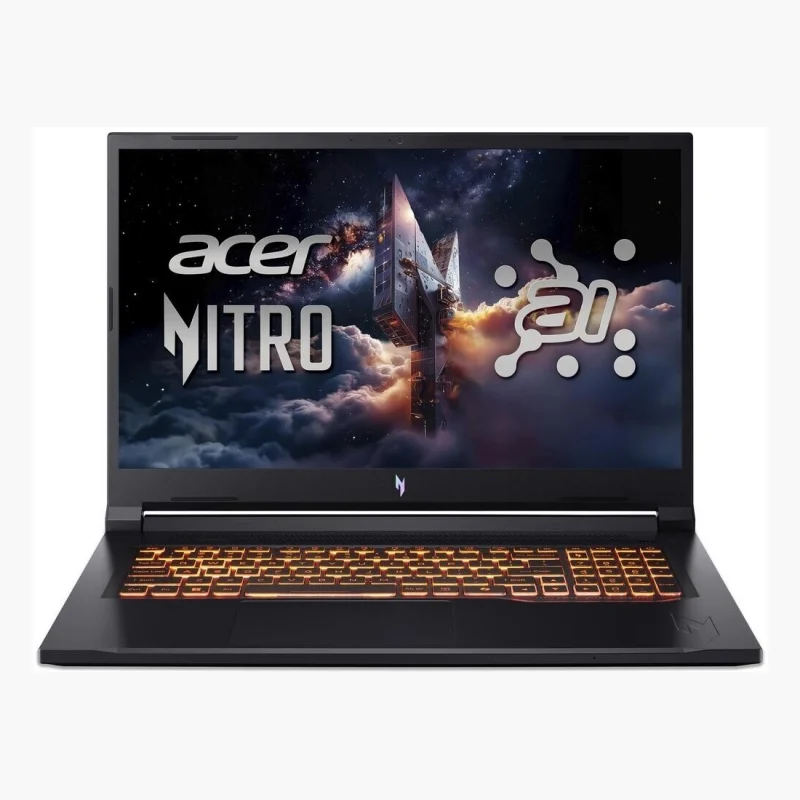
vs
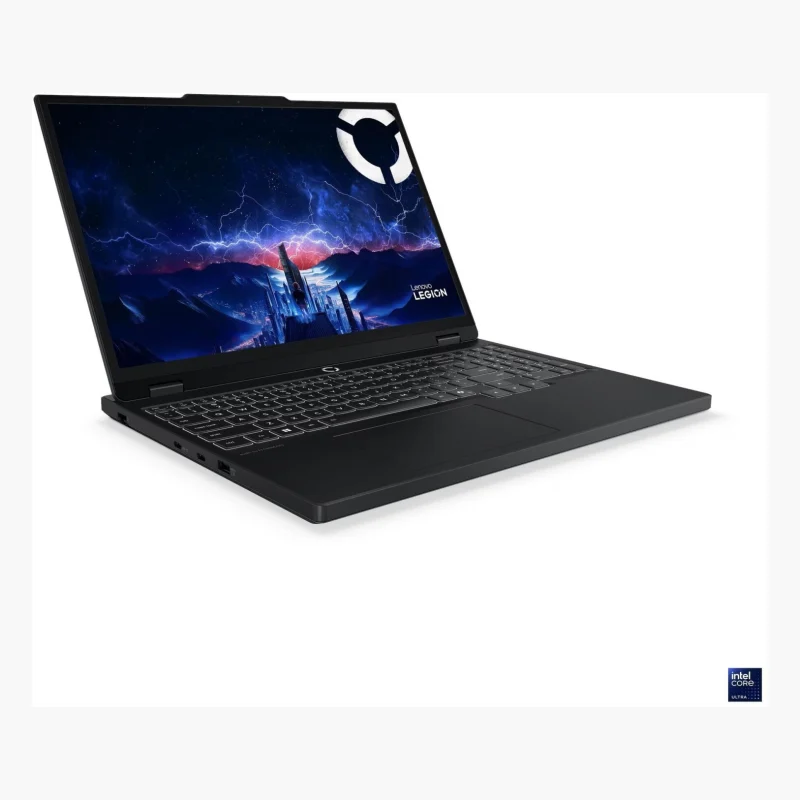
8.2Display8.9
9.8Memory & storage4.4
3.3Battery & portability9.1
6.7Features & cooling6.3
Dimensions
Size comparison
Nitro V 17 AI ANV17-41 RTX 5070 (2025)Legion 5 15 RTX 5060 (2025)
| Nitro V 17 AI ANV17-41 RTX 5070 (2025) | Legion 5 15 RTX 5060 (2025) | Difference | |
|---|---|---|---|
| Depth | 276 mm | 255.3 mm | +20.7 mm |
| Width | 401 mm | 344.9 mm | +56.1 mm |
| Thickness | 24 mm | 21.5 mm | +2.5 mm |
| Weight | 2.7 kg | 2.2 kg | +0.5 kg |
Drawn to the same scale from the official dimensions (front and side).
Why is Nitro V 17 AI ANV17-41 RTX 5070 (2025) better than Legion 5 15 RTX 5060 (2025)?
- RAM (up to)96 GB vs 32 GB3×
- SSD (up to)8,000 GB vs 1,000 GB8×
- GPU shader cores4,608 vs 3,328+38%
- SD card readerYes · Legion 5 15 RTX 5060 (2025): No
- SSD (base)1,000 GB vs 512 GB+95%
- Screen size17.3″ vs 15.1″+15%
Why is Legion 5 15 RTX 5060 (2025) better than Nitro V 17 AI ANV17-41 RTX 5070 (2025)?
- Panel typeIPS vs OLED
- Battery capacity76 Wh vs 80 Wh+5%
- Weight2.71 kg vs 2.2 kg+23%
- Wi-Fi standardWi-Fi 6 vs Wi-Fi 7+17%
- Thickness24 mm vs 21.5 mm+12%
Specifications
Side by side
| Graphics | ||
| Graphics card | GeForce RTX 5070 Laptop | GeForce RTX 5060 Laptop |
| GPU maker | NVIDIA | NVIDIA |
| GPU power (TGP) | — | 115 W |
| Video memory | 8 GB | 8 GB |
| Video memory type | GDDR7 | GDDR7 |
| GPU shader cores | 4,608 | 3,328 |
| GPU compute (FP32) | — | 18.4 TFLOPS |
| 3DMark Steel Nomad Light | — | 12,308 |
| Processor | ||
| Processor | Ryzen AI 9 365 | Core Ultra 7 255HX |
| CPU maker | AMD | Intel |
| CPU cores | — | 8 |
| Max CPU clock | — | 5.1 GHz |
| Processor options | Ryzen 7 260, Core 9 270H, Ryzen AI 9 365 | Core i7-13650HX, Core i7-14700HX, Ryzen 7 250, Ryzen 7 260, Core Ultra 7 251HX, Core Ultra 7 255HX |
| Display | ||
| Screen size | 17.3″ | 15.1″ |
| Resolution | 2560 × 1440 | 2560 × 1600 |
| Resolution class | QHD (1440p/1600p) | QHD (1440p/1600p) |
| Refresh rate | 165 Hz | 165 Hz |
| Panel type | IPS | OLED |
| Brightness | — | 500 nits |
| sRGB coverage | — | 100% |
| Pixel density | — | 150 ppi |
| Aspect ratio | 16:9 | 16:10 |
| G-Sync / FreeSync | — | No |
| Advanced Optimus | — | No |
| MUX switch | — | No |
| HDR | — | No |
| Touchscreen | — | No |
| Memory & storage | ||
| RAM (up to) | 96 GB | 32 GB |
| RAM (base) | 16 GB | 16 GB |
| RAM type | DDR5 | DDR5 |
| RAM speed | 5,600 MHz | 5,600 MHz |
| Max. supported RAM | — | 64 GB |
| RAM slots | — | 2 |
| Upgradable RAM | — | Yes |
| SSD (up to) | 8,000 GB | 1,000 GB |
| SSD (base) | 1,000 GB | 512 GB |
| M.2 SSD slots | — | 2 |
| SSD interface | — | PCIe 4.0 x4 |
| Battery & power | ||
| Battery capacity | 76 Wh | 80 Wh |
| Power adapter | 135 W | 245 W |
| USB-C charging (Power Delivery) | — | Yes |
| USB-C charging power | — | 100 W |
| Design & cooling | ||
| Weight | 2.71 kg | 2.2 kg |
| Thickness | 24 mm | 21.5 mm |
| Width | 401 mm | 344.9 mm |
| Depth | 276 mm | 255.3 mm |
| Body material | — | Aluminium, Plastic |
| Colours | Black | Black |
| Cooling fans | — | 2 |
| Vapor chamber cooling | — | No |
| Liquid metal (CPU) | — | No |
| Fan noise (max. load) | — | 50.1 dB |
| Ports & wireless | ||
| Thunderbolt / USB4 | USB4 | Thunderbolt 4 |
| Thunderbolt or USB4 | Yes | Yes |
| USB-C ports | — | 2 |
| USB-A ports | — | 3 |
| HDMI | — | HDMI 2.1 |
| HDMI 2.1 | — | Yes |
| (Mini) DisplayPort | — | No |
| Ethernet | 1 Gbit/s | — |
| Ethernet port | Yes | Yes |
| SD card reader | Yes | No |
| 3.5 mm audio jack | Yes | Yes |
| Wi-Fi standard | Wi-Fi 6 | Wi-Fi 7 |
| Bluetooth | 5.3 | 5.4 |
| Keyboard & camera | ||
| Backlit keyboard | — | Yes |
| Numeric keypad | — | Yes |
| Key travel | — | 1.6 mm |
| Webcam | — | 720p |
| IR camera (face login) | — | No |
| Fingerprint reader | — | No |
| Audio | ||
| Speakers | 2 speakers | 2.0 |
| Dolby Atmos | — | No |
Related comparisons
 vs
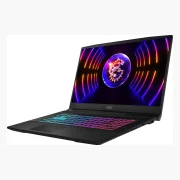 Acer Nitro V 17 AI ANV17-41 RTX 5070 (2025)vsMSI Katana 17 HX B14 RTX 5070 (2025)8.47.0
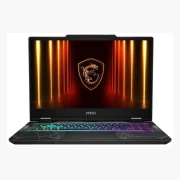 vsMSI Cyborg 15 B13 RTX 5060 (2025)vsAcer Nitro V 17 AI ANV17-41 RTX 5070 (2025)6.58.4vs
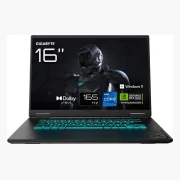 Acer Nitro V 17 AI ANV17-41 RTX 5070 (2025)vsGigabyte Gaming A16 RTX 5050 (2025)8.48.6
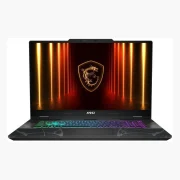 vsMSI Cyborg 17 B13W RTX 5060 (2025)vsAcer Nitro V 17 AI ANV17-41 RTX 5070 (2025)6.08.4
 vsHP Omen 16 RTX 5070 (2026)vsAcer Nitro V 17 AI ANV17-41 RTX 5070 (2025)8.48.4
 vsGigabyte Gaming A16 RTX 5060 (2025)vsAcer Nitro V 17 AI ANV17-41 RTX 5070 (2025)7.98.4